"Effective governance is built not on promises, but on institutional strength, economic clarity, and disciplined leadership."
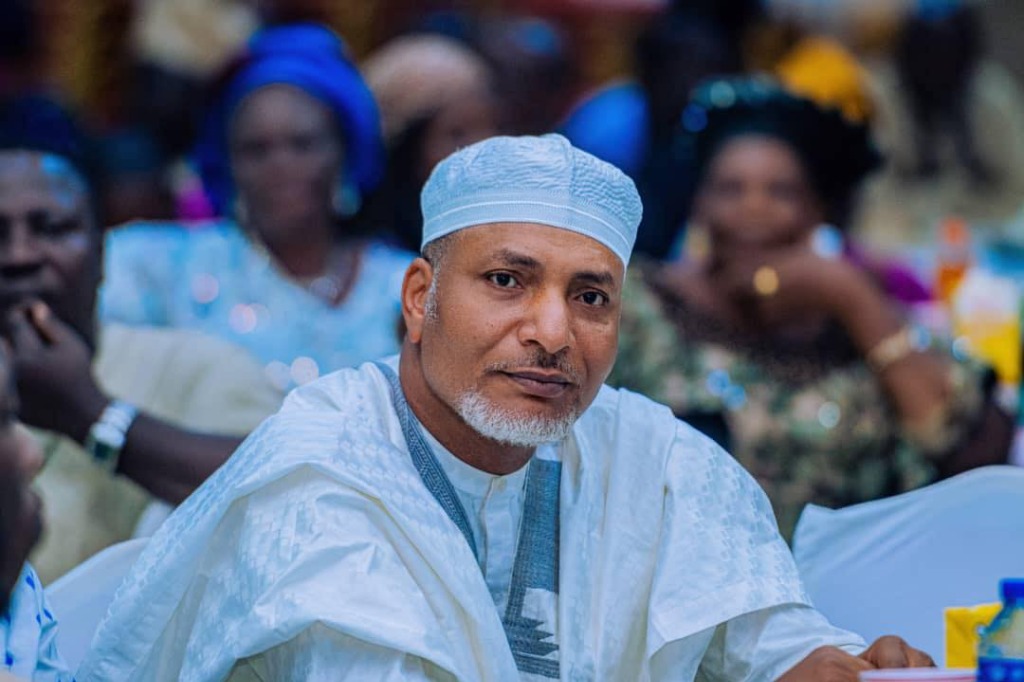
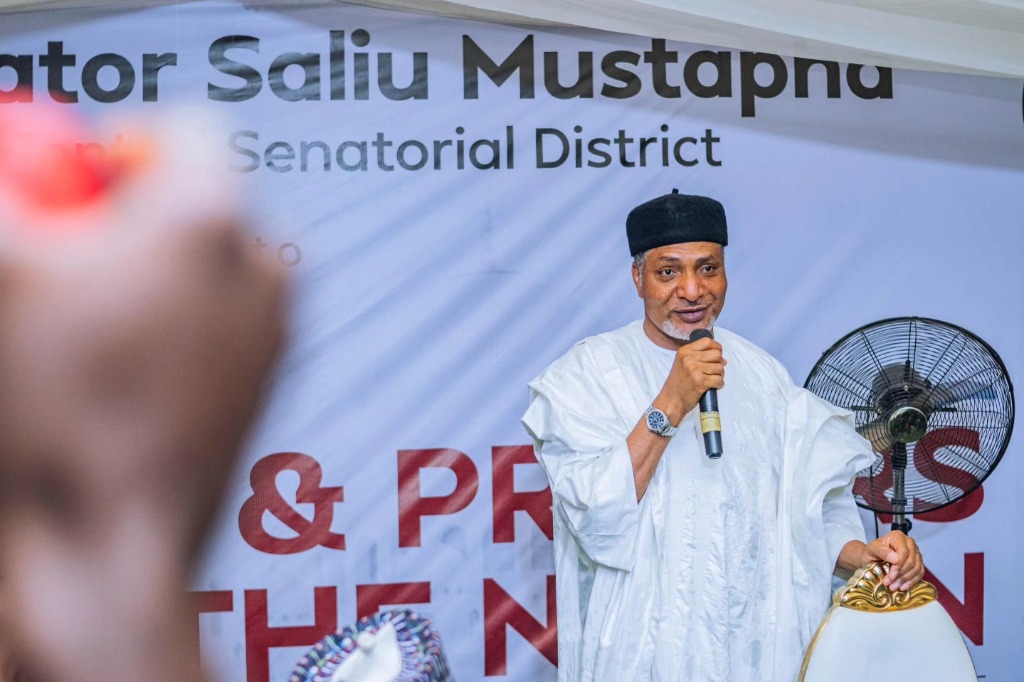
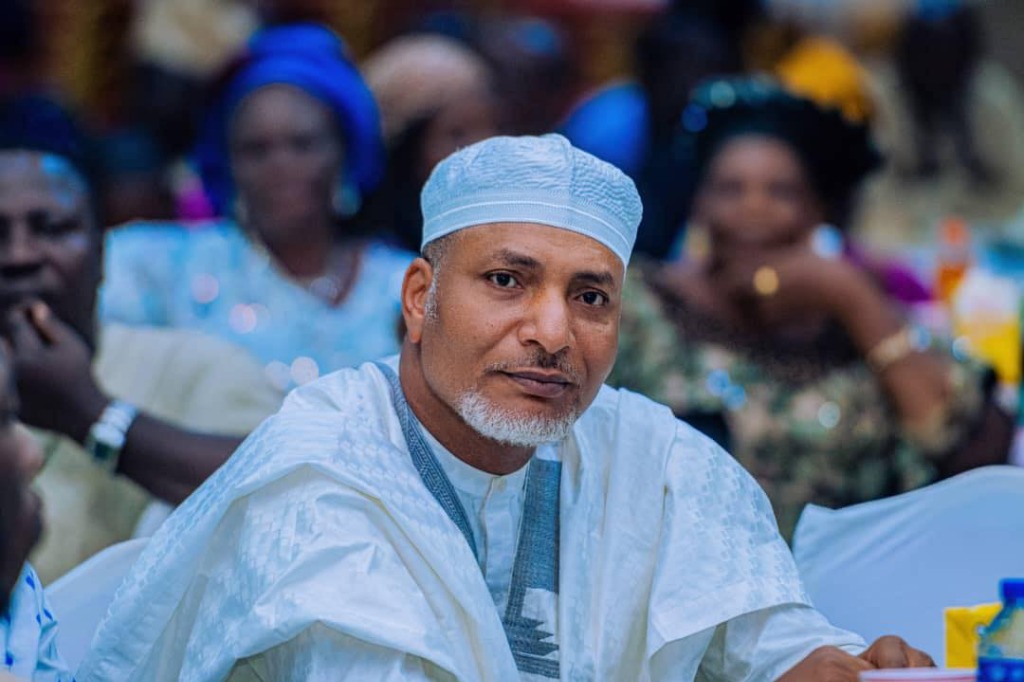
Senator Saliu Mustapha represents a distinct class of Nigerian political leadership — one rooted in national party architecture, institutional governance, and measurable constituency impact. As the Senator representing Kwara Central Senatorial District in the 10th National Assembly, he brings decades of political experience to legislative service.
His trajectory — from grassroots political organizing to national party leadership to the Senate chamber — reflects a deep understanding of governance structures at every level. The Turaki of Ilorin title further underscores his embeddedness in the cultural and traditional fabric of Kwara State.
From the corridors of grassroots politics to the floor of the Nigerian Senate — a journey marked by discipline, conviction, and national-level leadership.
Born and raised in Ilorin, Kwara State, Saliu Mustapha grew up deeply connected to the socio-cultural and political landscape of north-central Nigeria. His formative years instilled a strong sense of community responsibility and a clear understanding of the challenges facing ordinary Nigerians.
His educational journey provided the intellectual framework for his political career. With a strong foundation in the social sciences and public administration, he developed the analytical capacity to engage with governance, policy design, and institutional management at the highest levels.
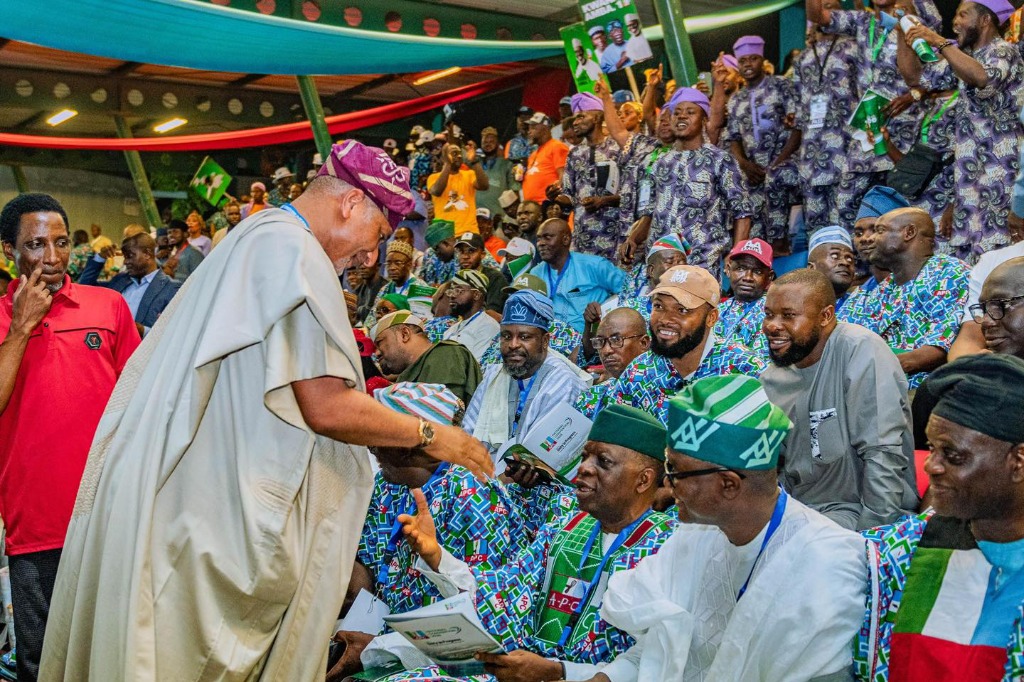
His ascendancy within the All Progressives Congress (APC) demonstrated his capacity for national-level political architecture. Serving in critical leadership positions, including as Deputy National Chairman, he played a central role in the party's organizational structure, coalition-building, and governance strategy across multiple election cycles.
Elected to represent Kwara Central Senatorial District in the 10th National Assembly, Senator Mustapha brought his wealth of political and organizational experience to the legislature. His committee assignments and legislative focus on agriculture, economic diversification, and digital economy reflect a deliberate strategy to drive systemic development for Kwara and Nigeria.
The conferment of the Turaki of Ilorin title by the Emir of Ilorin is a recognition of his contributions to the development of Ilorin and the broader Kwara community. It signifies cultural authority and embeddedness in the traditional governance framework of the state.
Strategic legislative engagement focused on economic modernization, agricultural resilience, and institutional reform.
Championing legislation to transform agricultural value chains, promote mechanized farming, and create rural economic corridors that connect smallholder farmers to national and export markets.
Committee FocusAdvancing policy frameworks for economic diversification beyond oil dependence, with emphasis on manufacturing, agro-processing, solid minerals, and small-to-medium enterprise ecosystems.
Policy DirectionAdvocating for digital infrastructure, tech-enabled governance, and innovation hubs to position Nigeria — and Kwara specifically — within the emerging digital economy landscape of West Africa.
Strategic PrioritySupporting legislation on critical infrastructure development — roads, water systems, housing, and energy — with a focus on sustainable, well-planned urban and peri-urban development.
Legislative FocusPushing for comprehensive reform in Nigeria's education system, with emphasis on technical education, vocational training, and alignment of curricula with 21st-century economic demands.
Key BillsContributing to legislative oversight on national security architecture, anti-corruption frameworks, and institutional strengthening for transparent and accountable governance at all levels.
OversightA governance framework designed for measurable outcomes, structural resilience, and long-term state development.
Building a multi-sector economic base that reduces dependency on federal allocation, stimulates private investment, and creates sustainable employment pathways through agriculture, manufacturing, and technology.
Reforming and fortifying governance institutions to ensure transparency, accountability, efficiency, and continuity in public administration — beyond any single administration or political cycle.
Investing in the next generation through education reform, skills development, entrepreneurship programs, and creating structured pathways for youth participation in governance and economic activity.
Bridging the gap between urban centers and rural communities through infrastructure investment, decentralized economic development, digital connectivity, and equitable access to public services.
Delivering tangible progress to Kwara Central through structured empowerment programs and infrastructure development.
Comprehensive empowerment initiatives targeting women, youth, and artisans across Kwara Central — providing startup capital, equipment, and business development training to build self-sustaining enterprises.
Funding hundreds of scholarships for students at secondary and tertiary levels, alongside learning material distribution and school infrastructure support across communities in the senatorial district.
Facilitating road rehabilitation, healthcare facility upgrades, water supply projects, and rural electrification across constituencies — addressing critical infrastructure deficits with strategic, measurable interventions.
Medical outreach programs, free health screenings, and pharmaceutical support reaching thousands of constituents, particularly in underserved rural communities.
Distribution of farming inputs, equipment, and technical training to smallholder farmers — strengthening agricultural productivity and food security within the senatorial district.
Structured skills acquisition and small business development programs equipping constituents with technical and entrepreneurial capabilities for economic independence and growth.
"The future of Kwara lies not in rhetoric, but in building systems that outlast any single leader — systems that grow the economy, empower the people, and strengthen institutions."
— Senator Saliu MustaphaTransforming Kwara's vast agricultural potential into a structured, industrial-scale food production system — investing in processing, storage, and market access to position the state as a food security hub for north-central Nigeria.
Creating an enabling environment for small and medium enterprises to thrive — through access to credit, business incubation, regulatory reform, and the development of light industrial zones across the state.
Ensuring no community is left behind — through structured social investment programs, equitable resource allocation, and development planning that prioritizes the most vulnerable and underserved populations.
Leveraging technology to drive transparency, efficiency, and innovation in governance — while building the digital infrastructure necessary for a competitive, connected, and future-ready Kwara State.
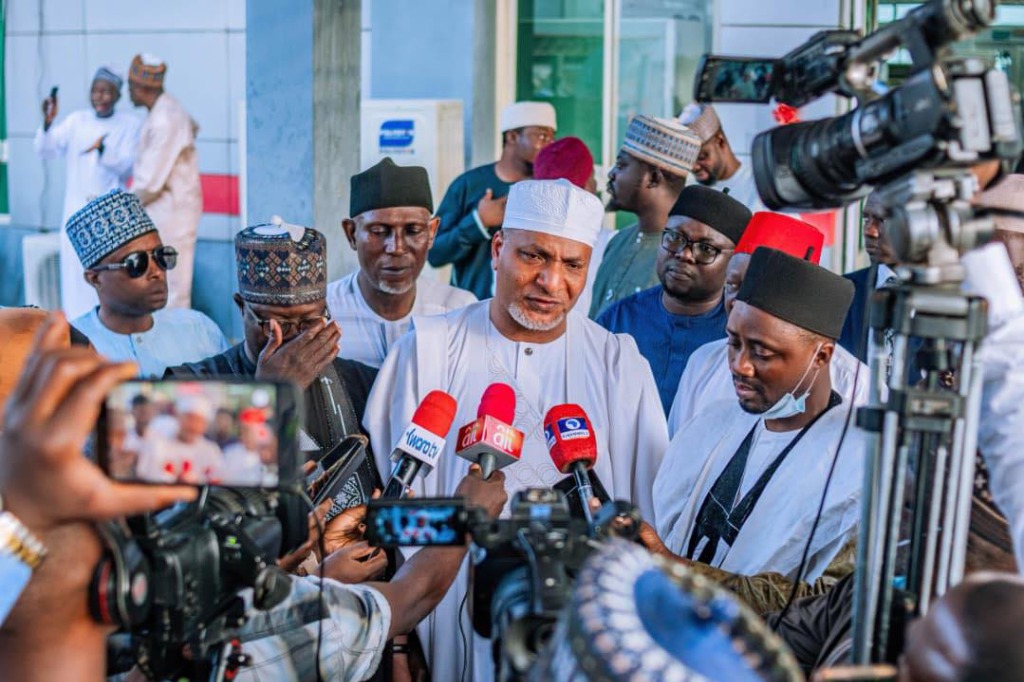
Connecting with constituents, stakeholders, and the broader public through structured and responsive communication channels.
The office of Senator Saliu Mustapha maintains open and responsive communication with constituents, policy stakeholders, civil society organizations, and the media. All inquiries are handled with professionalism and confidentiality.